
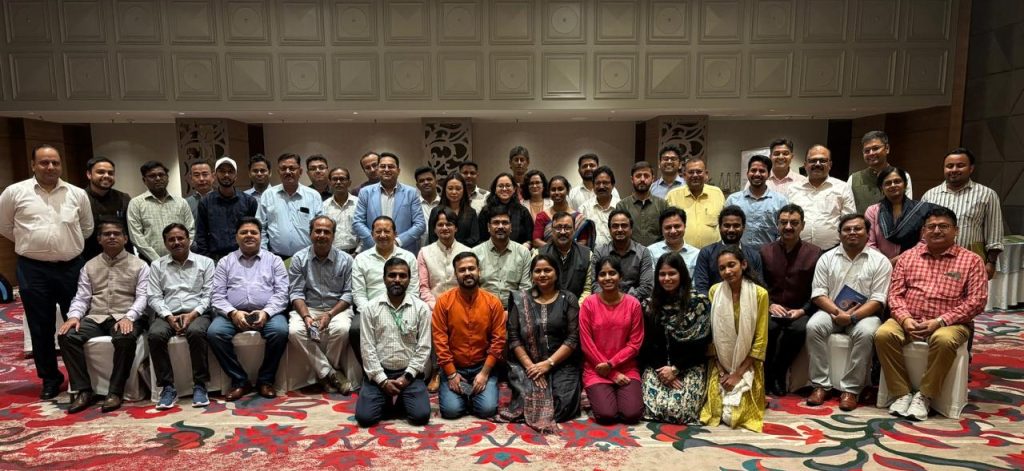
iFOREST, in partnership with the Ministry of Environment, Forest and Climate Change (MoEFCC) and international technical agencies, convened comprehensive capacity-building workshops and field immersions on the National Clean Air Programme (NCAP) for nodal regulators, municipal officials, and city planners.
The NCAP Institutional Architecture
Launched by MoEFCC as a long-term, time-bound national framework, the National Clean Air Programme (NCAP) targets 20% to 40% reductions in particulate matter concentrations across 131 non-attainment cities. Achieving these ambitious targets demands seamless inter-departmental convergence, rigorous emission inventories, and transparent financial execution aligned with the 15th Finance Commission performance grants.
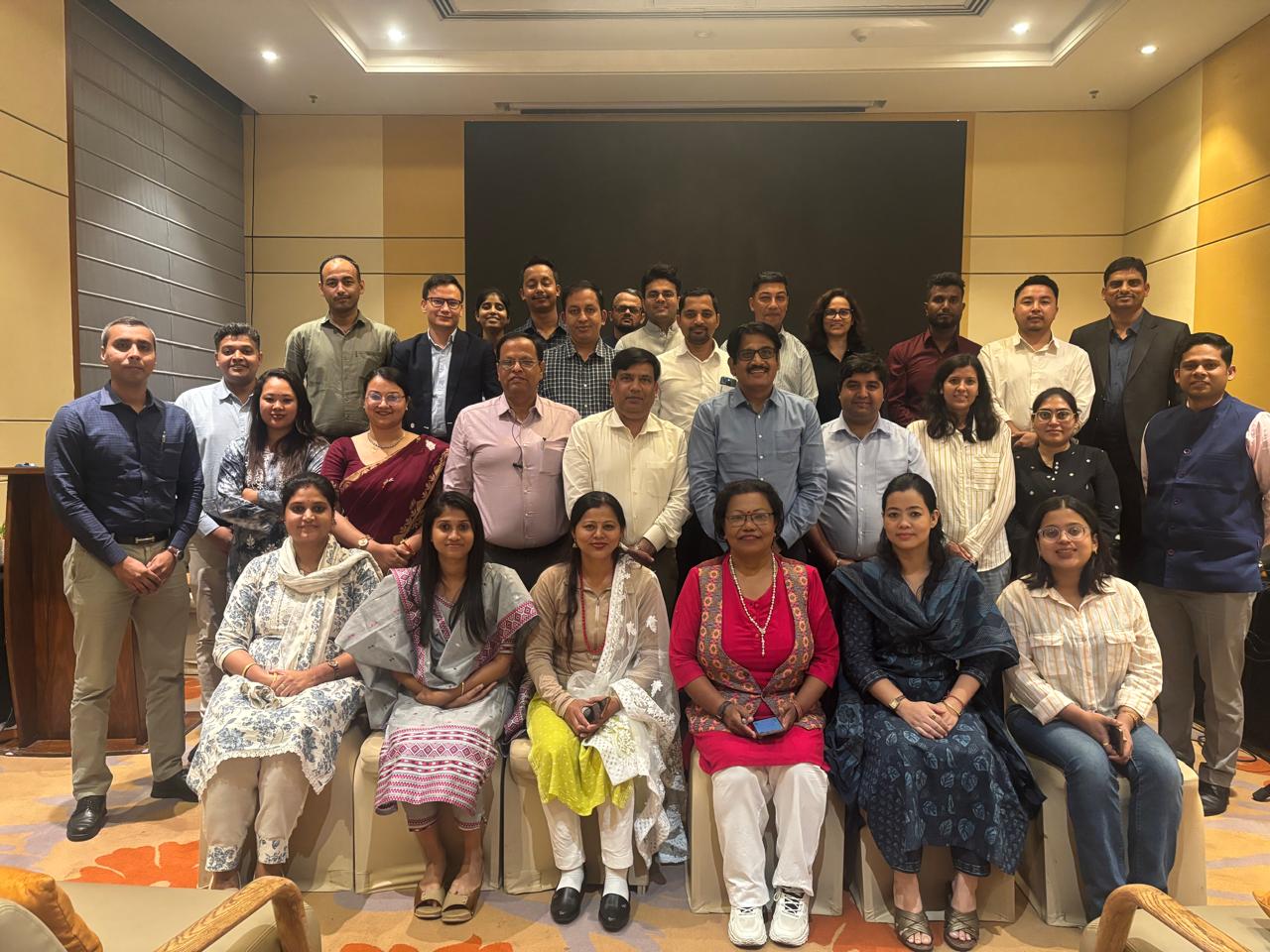
This multi-phase training programme was structured to equip state and city-level implementation units with the technical tools, regulatory clarity, and monitoring protocols required to transform city air action plans from policy documents into verifiable emission reductions.
High-Level Policy Dialogue & Ministry Review
The programme featured strategic governance dialogues bridging national policy and on-ground municipal realities:
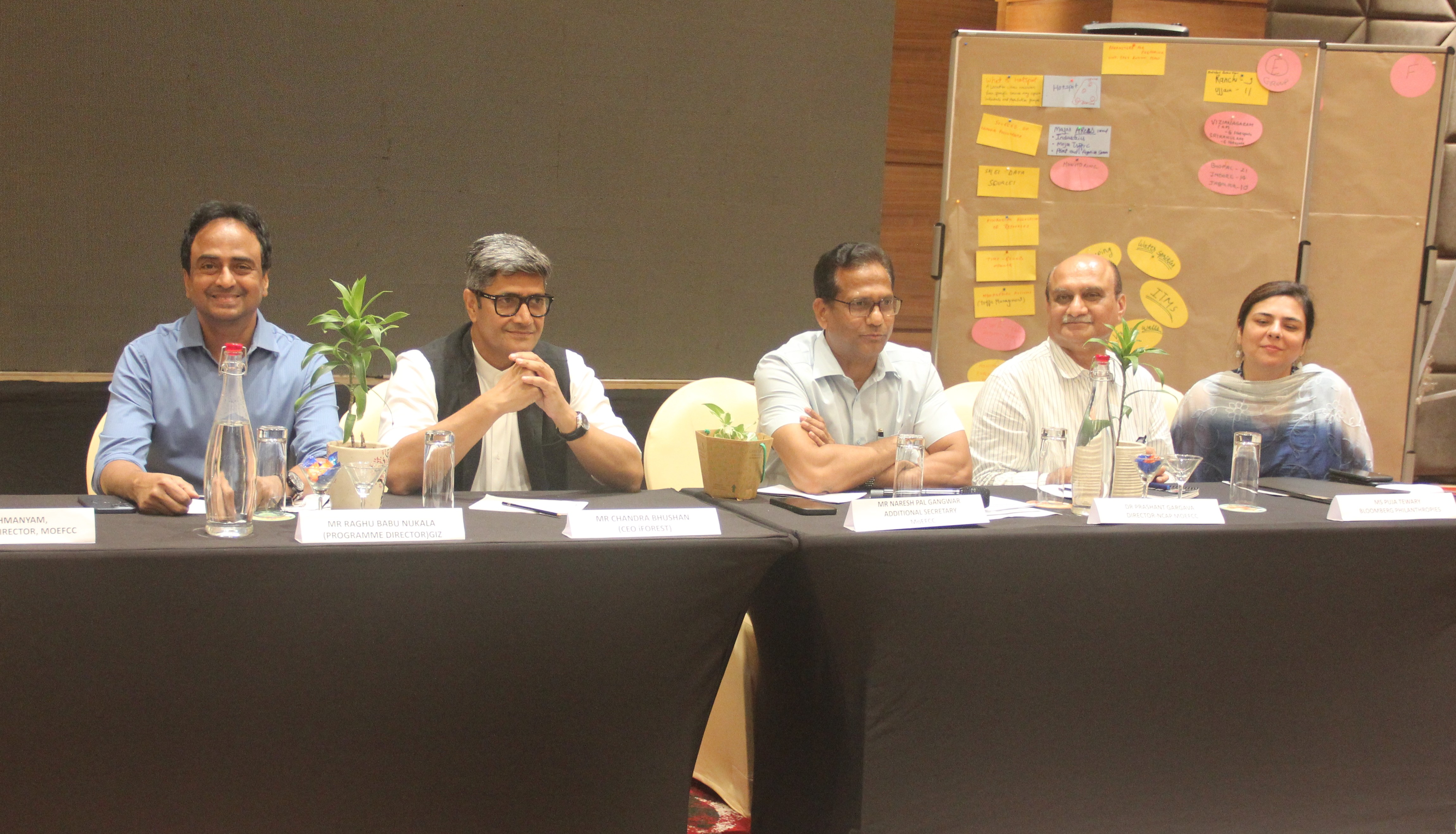
- Dignitaries & Leadership Panel: Senior representatives from MoEFCC, Central Pollution Control Board (CPCB), iFOREST, and GIZ deliberated on fund allocation bottlenecks, regional air quality management, and standardized monitoring metrics.
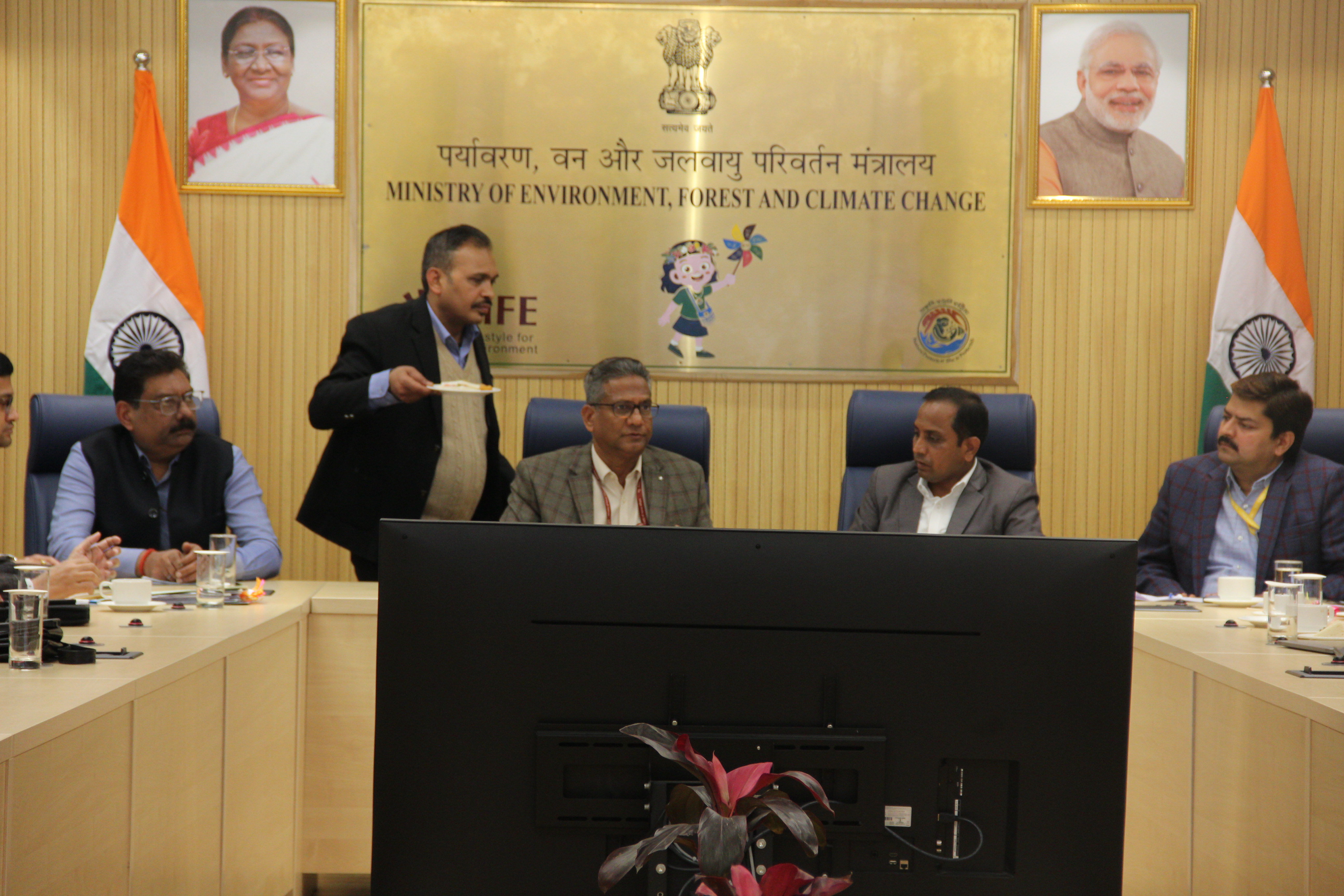
- Ministry Boardroom Review Meetings: Structured sessions evaluated city progress tracking on the PRANA portal, source apportionment studies, and emissions inventories across transport, industry, waste burning, and road dust sectors.
Field Immersion: Auroville Ecology & Matrimandir Sustainability
Beyond classroom theory, the delegation participated in an immersive field study to examine nature-based air purification and sustainable urban planning:
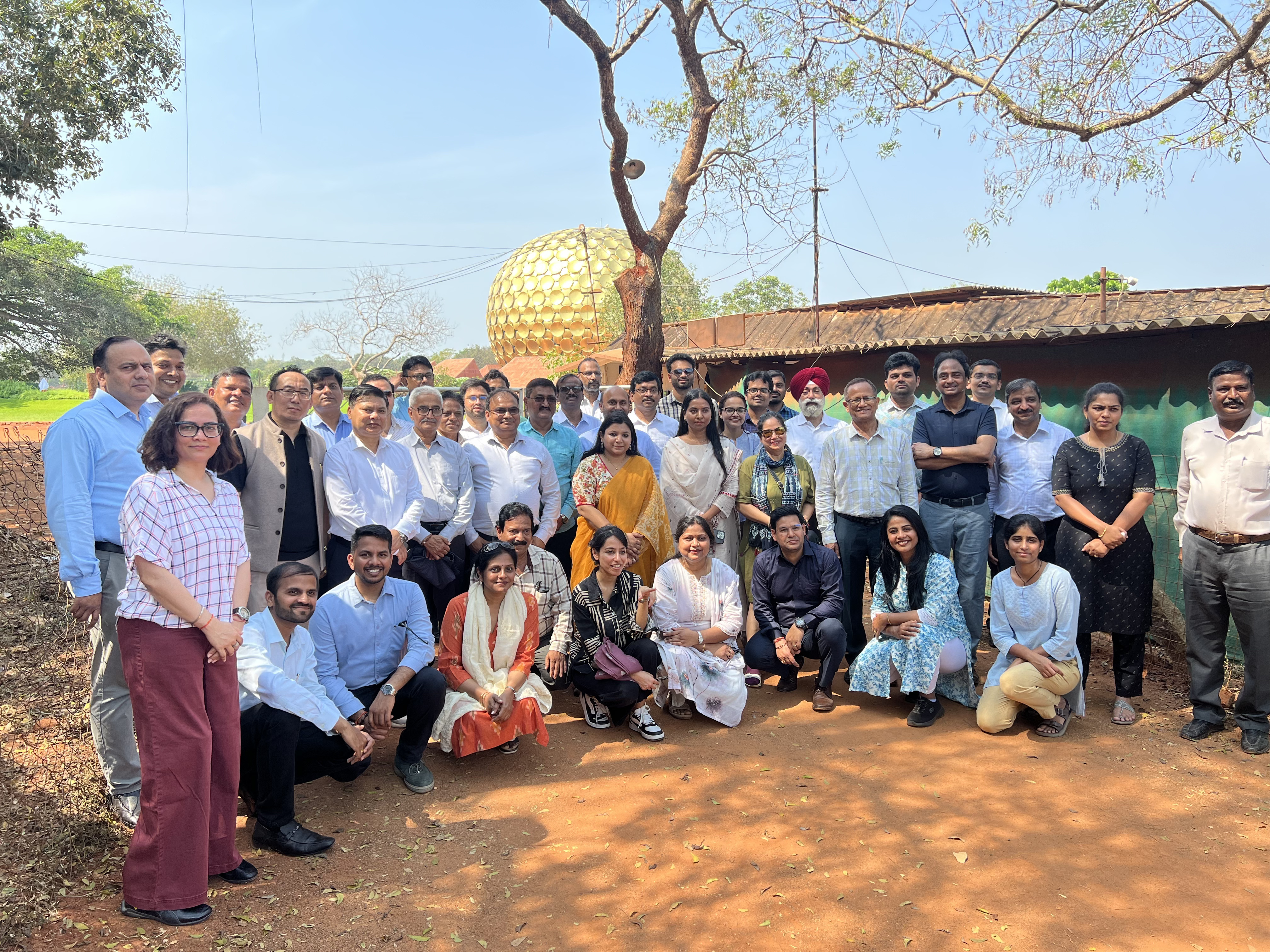
- Auroville Matrimandir Study Visit: Delegates inspected the passive architectural design, microclimate regulation, extensive green belts, and zero-emission transit systems integrated into the international township.
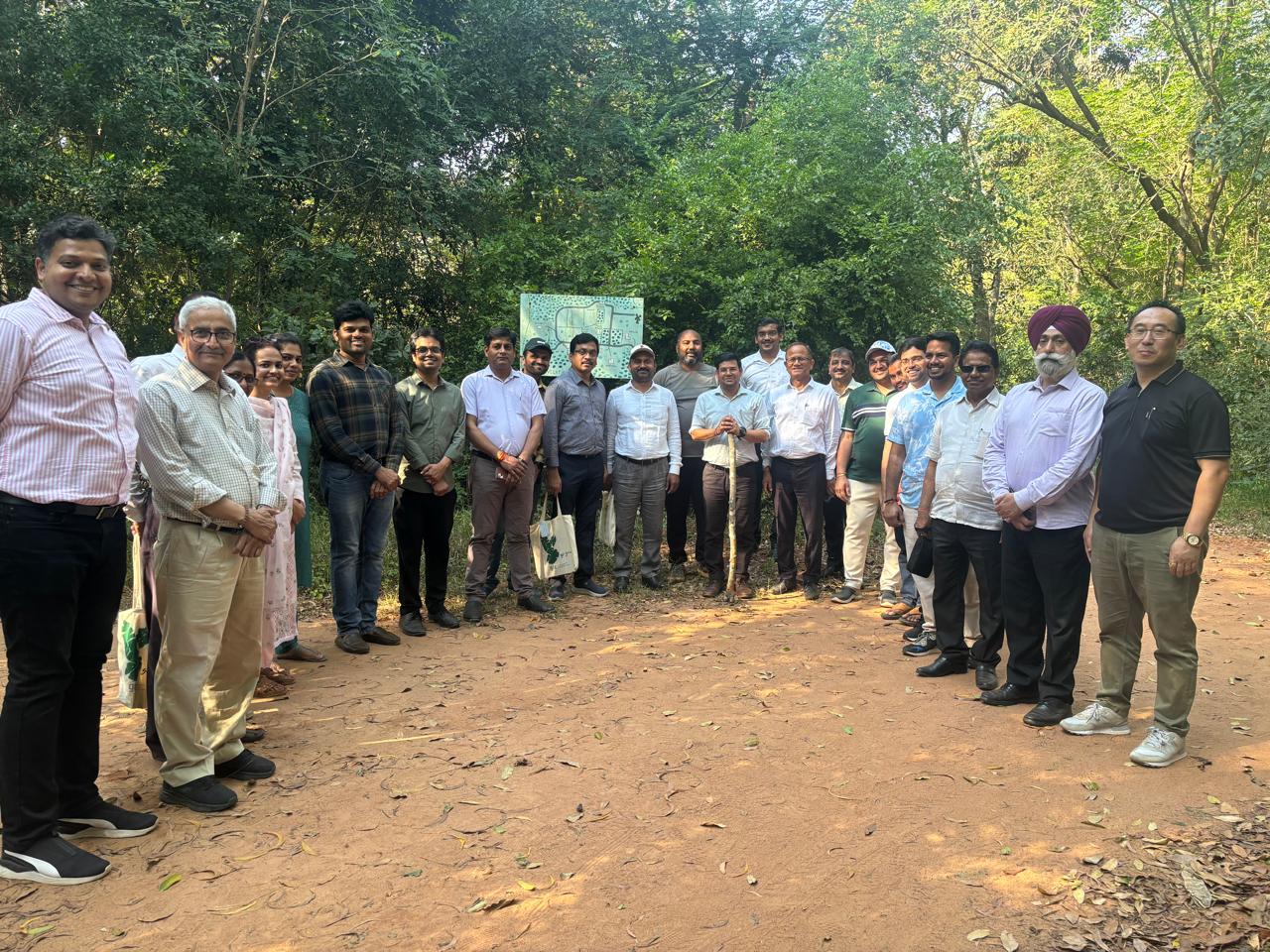
- Forest Trail Ecology & Native Bioshields: Participants traversed restored tropical dry evergreen forest tracts to study endemic tree canopy filtration capacities, dust deposition on leaf surfaces, and urban forest planning.
Interactive Peer Exchange & Team Exercises
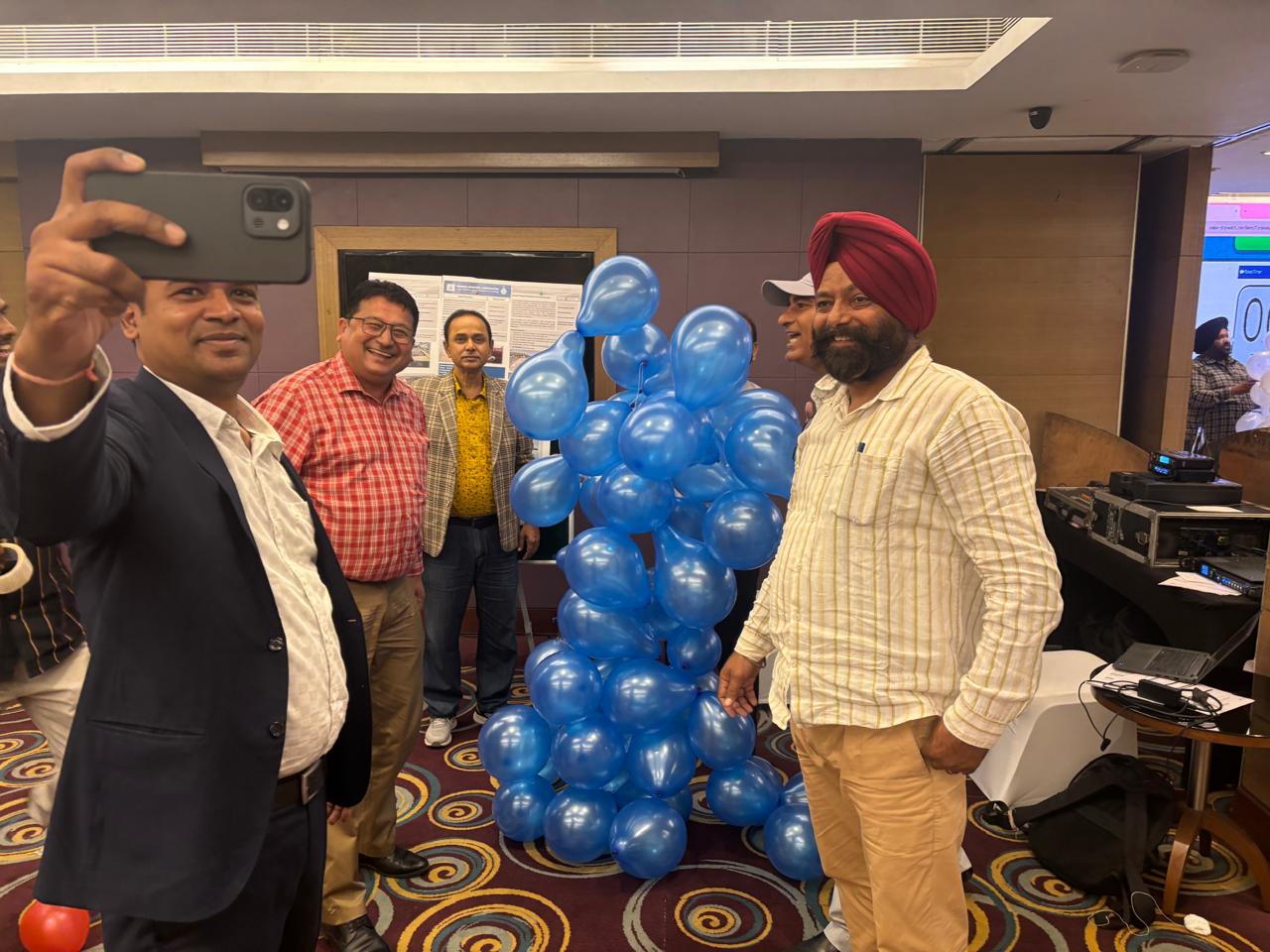
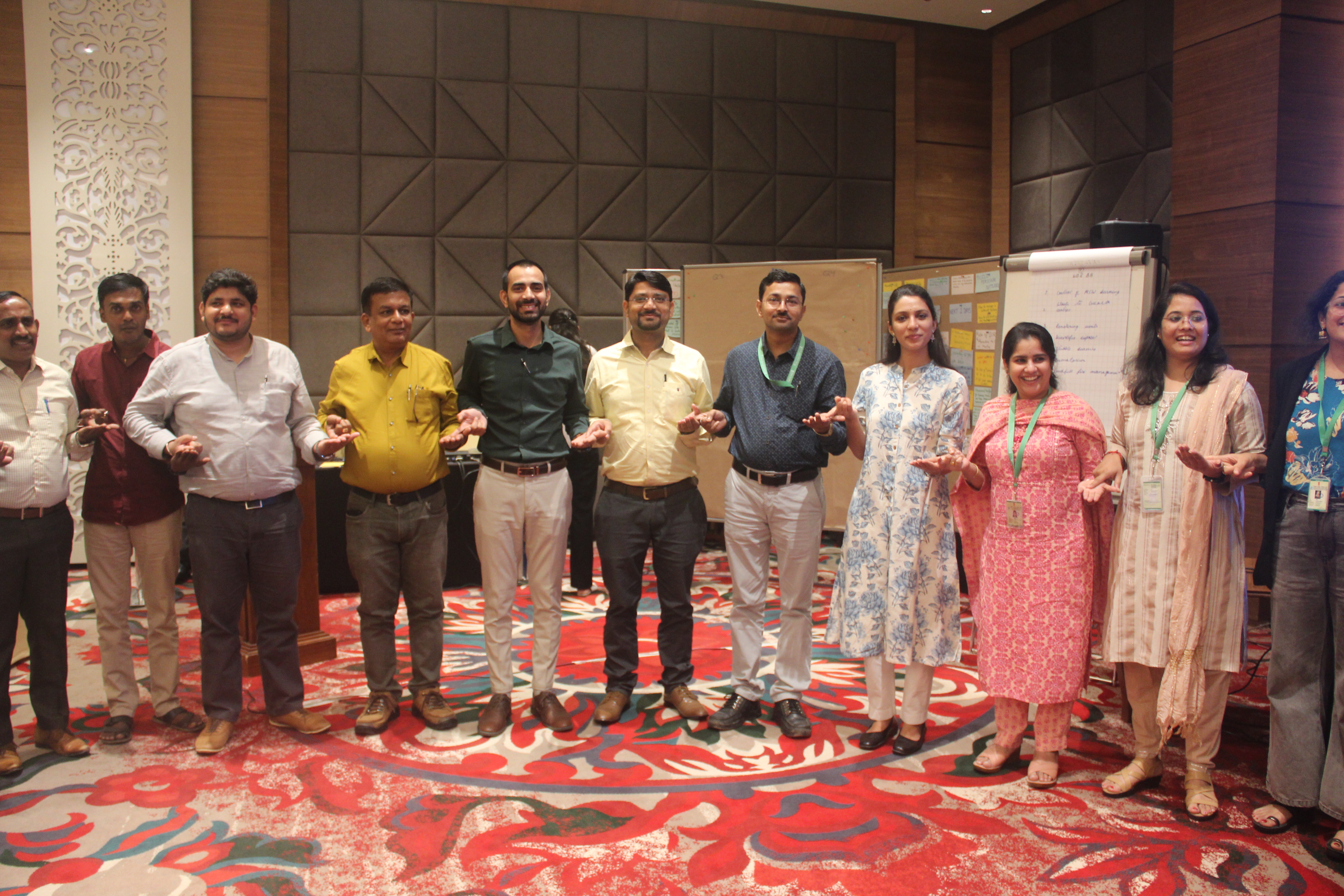
Interactive group simulations, icebreaker exercises, and the collaborative blue balloon challenge allowed city coordinators to share operational hurdles, cross-learn best practices from fellow non-attainment cities, and formulate joint airshed management strategies.
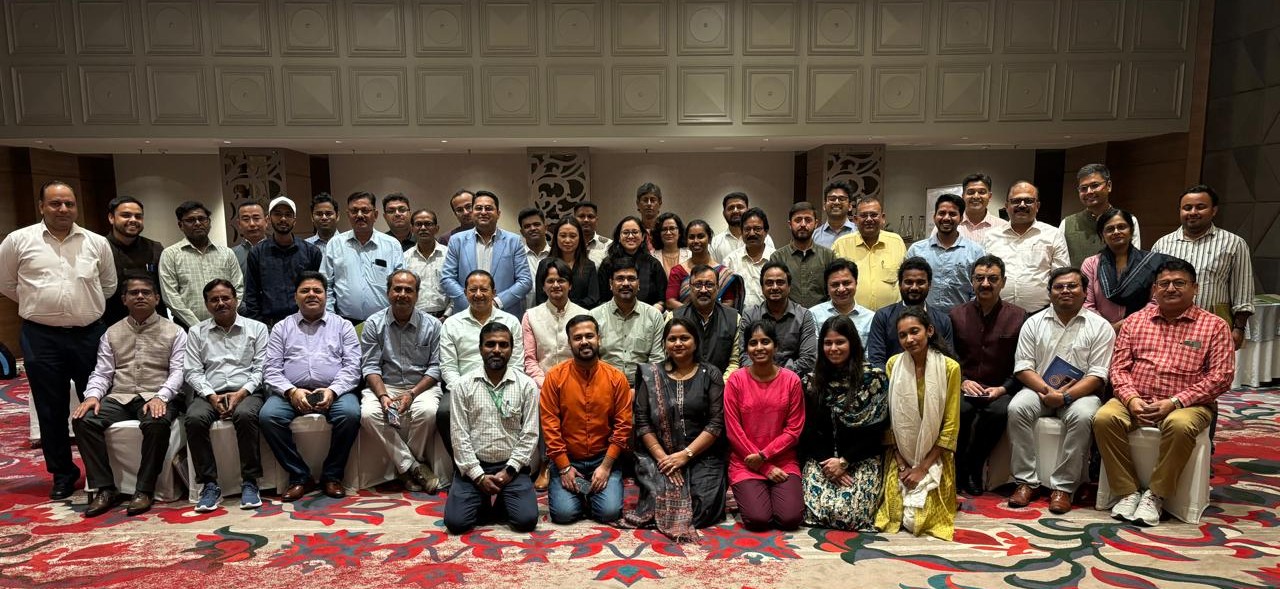
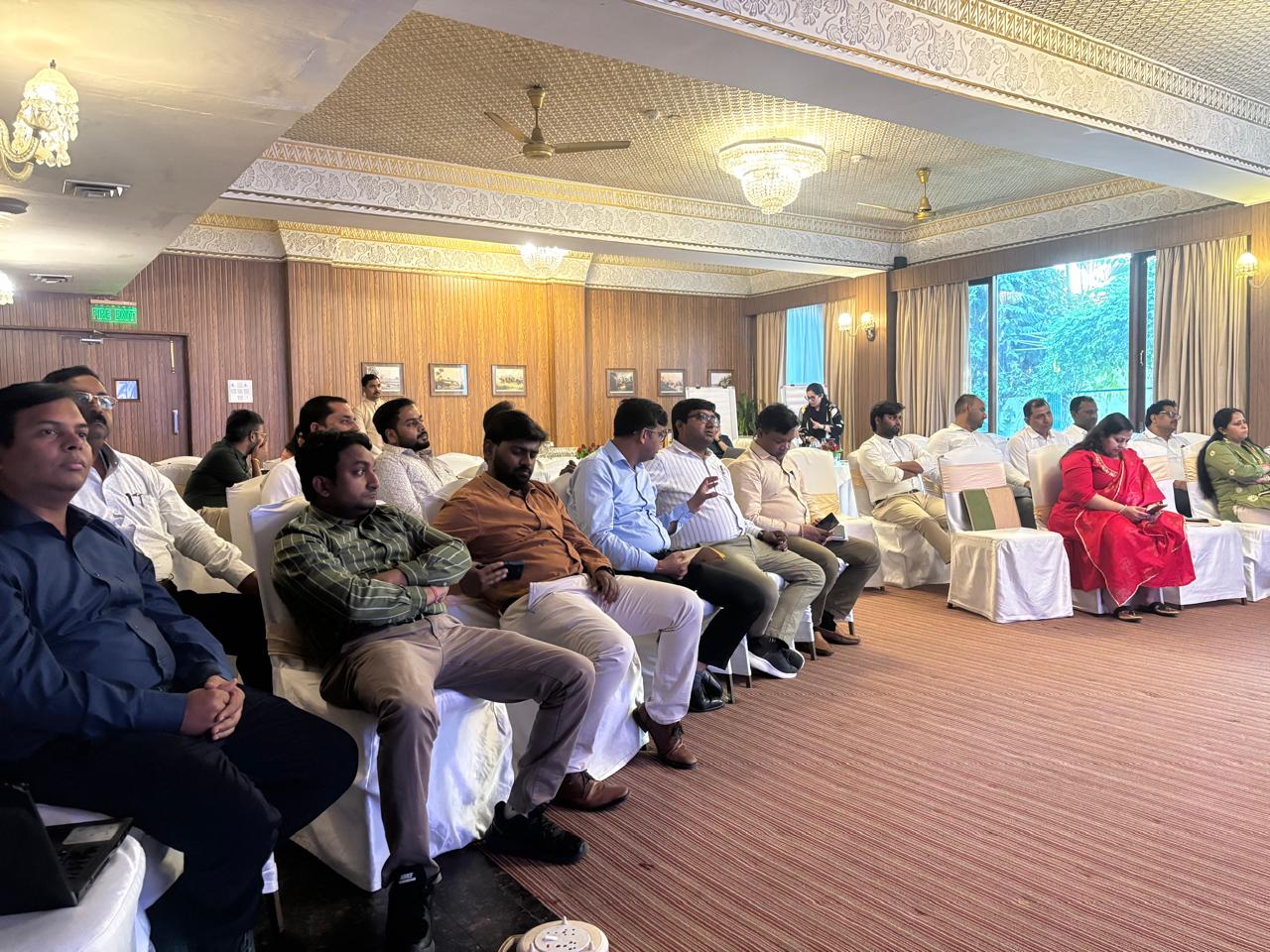
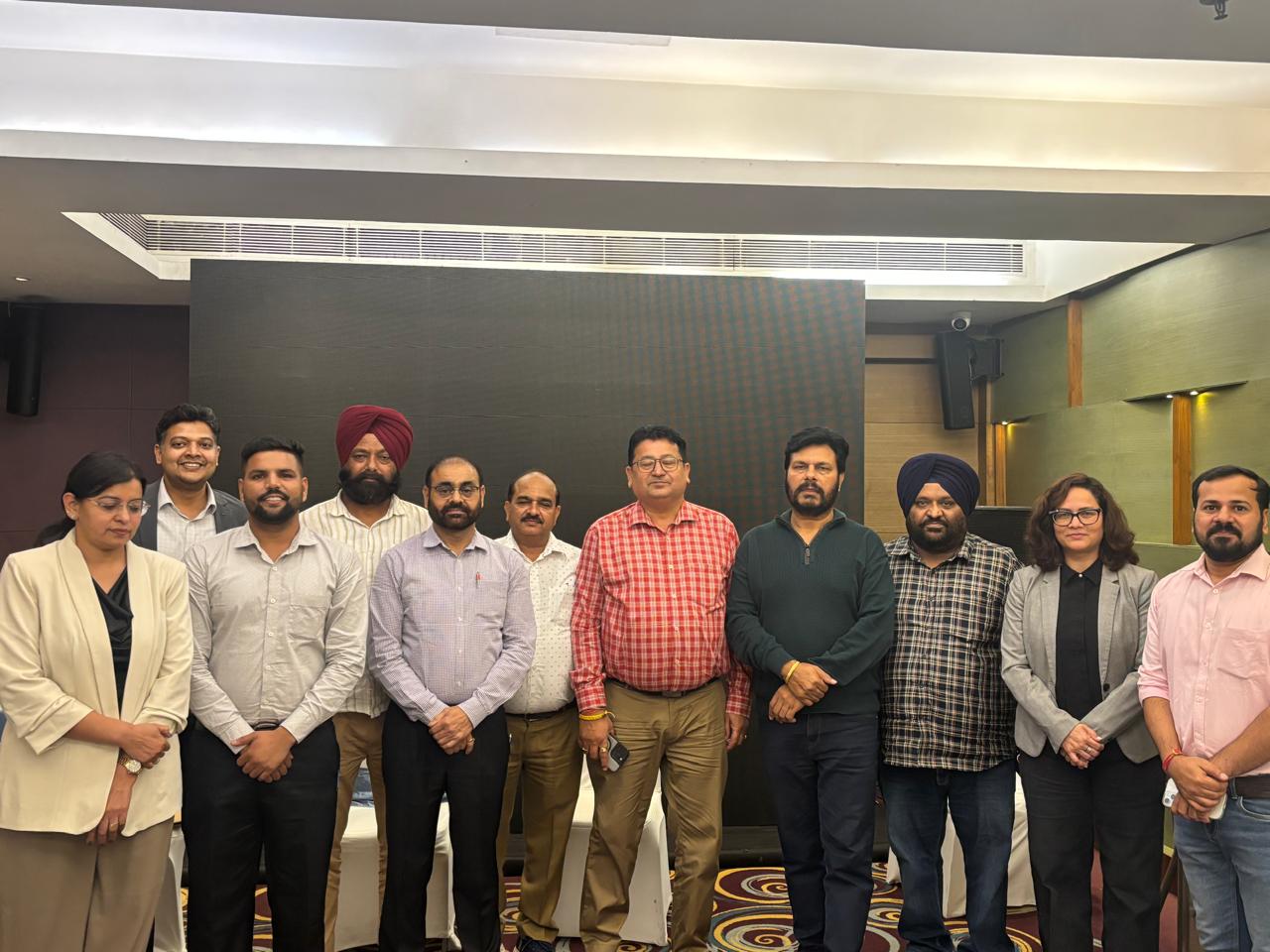
Training Photo Gallery & Session Highlights

Outcomes & City-Level Impact
Participants departed with practical competencies in operationalizing city clean air action plans:
- Mastering the PRANA dashboard for real-time reporting, baseline data entry, and physical-financial progress tracking.
- Structuring airshed-level monitoring networks balancing Continuous Ambient Air Quality Monitoring Stations (CAAQMS) with verified sensor arrays.
- Designing targeted seasonal emergency action plans and municipal coordination frameworks.
Explore the Online Course on iFOREST Academy
Gain end-to-end expertise in NCAP governance, PRANA portal management, emission inventory development, and financial monitoring through our online certified course on iFOREST Academy.
Enroll in National Clean Air Programme – Planning, Implementation and Monitoring →