
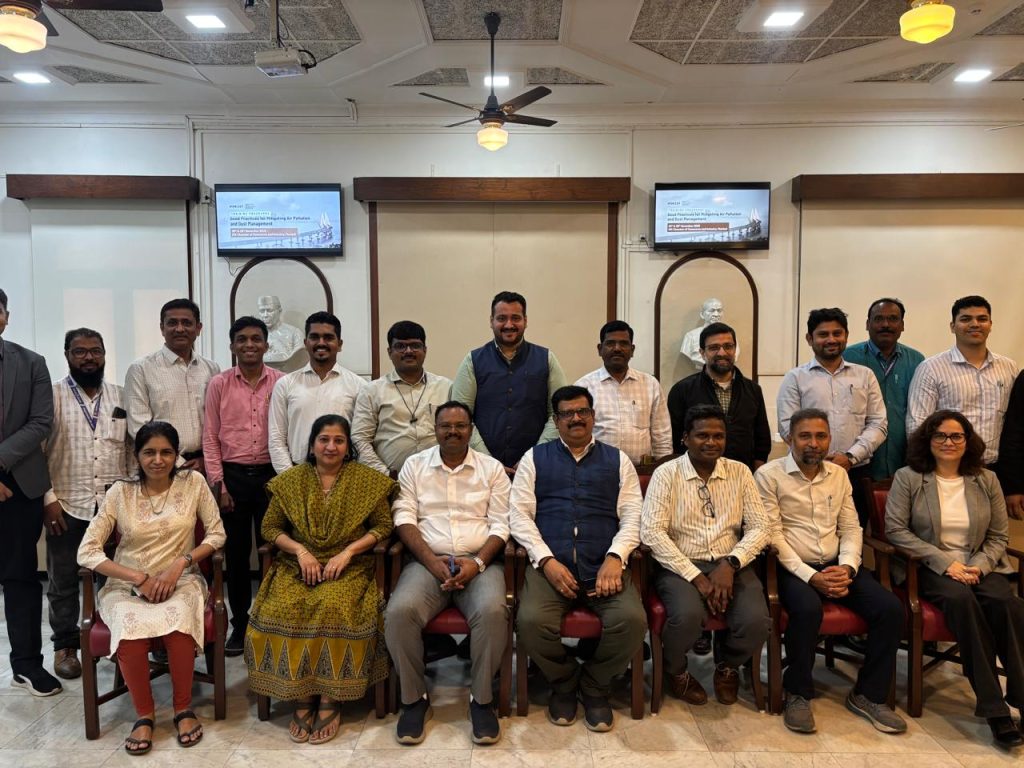
To address one of the most critical drivers of urban air pollution across Indian metros, iFOREST conducted targeted capacity-building workshops and technical on-site training on dust mitigation and construction waste governance in Mumbai and Chandigarh.
Urban Air Quality and the Construction Dust Challenge
Construction activities, infrastructure development, and road re-suspension account for 20% to 30% of total particulate matter (PM10 and PM2.5) concentrations in Indian urban airsheds. In high-density economic hubs like Mumbai and planned union territories like Chandigarh, unmitigated fugitive dust, silica, and cement particles severely compromise public health and trigger chronic non-compliance with National Ambient Air Quality Standards (NAAQS).
Addressing this challenge requires moving beyond reactive sprinkling to proactive, engineered dust management plans integrated into municipal building approvals, contractor oversight, and real-time sensor verification.
Multi-City Workshops: BMC Mumbai & Chandigarh Administration
The training sessions brought together diverse stakeholders across municipal governance, environmental regulation, and infrastructure execution:
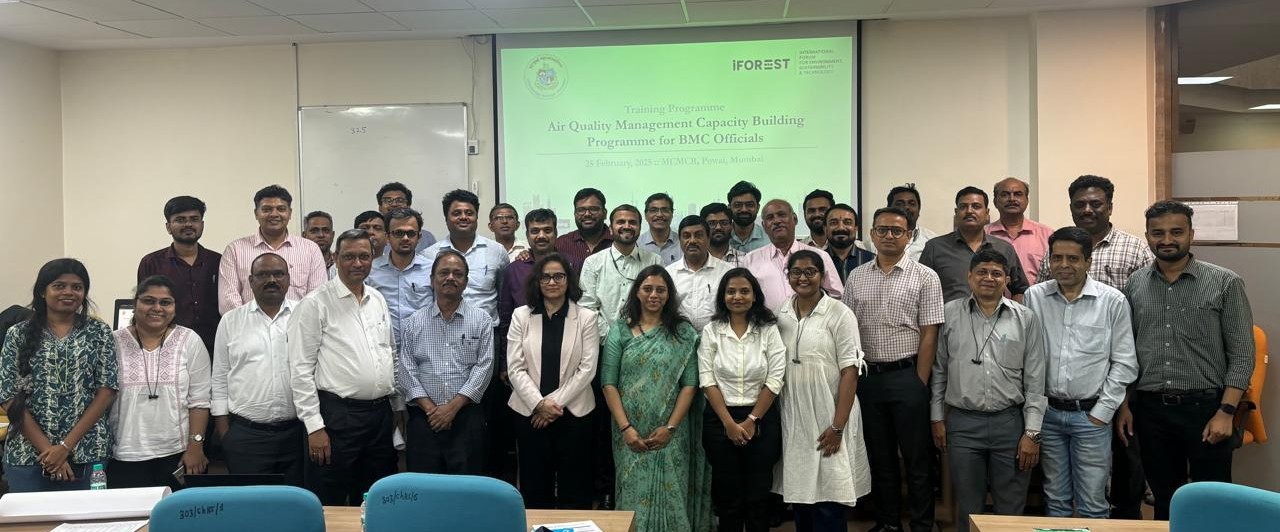
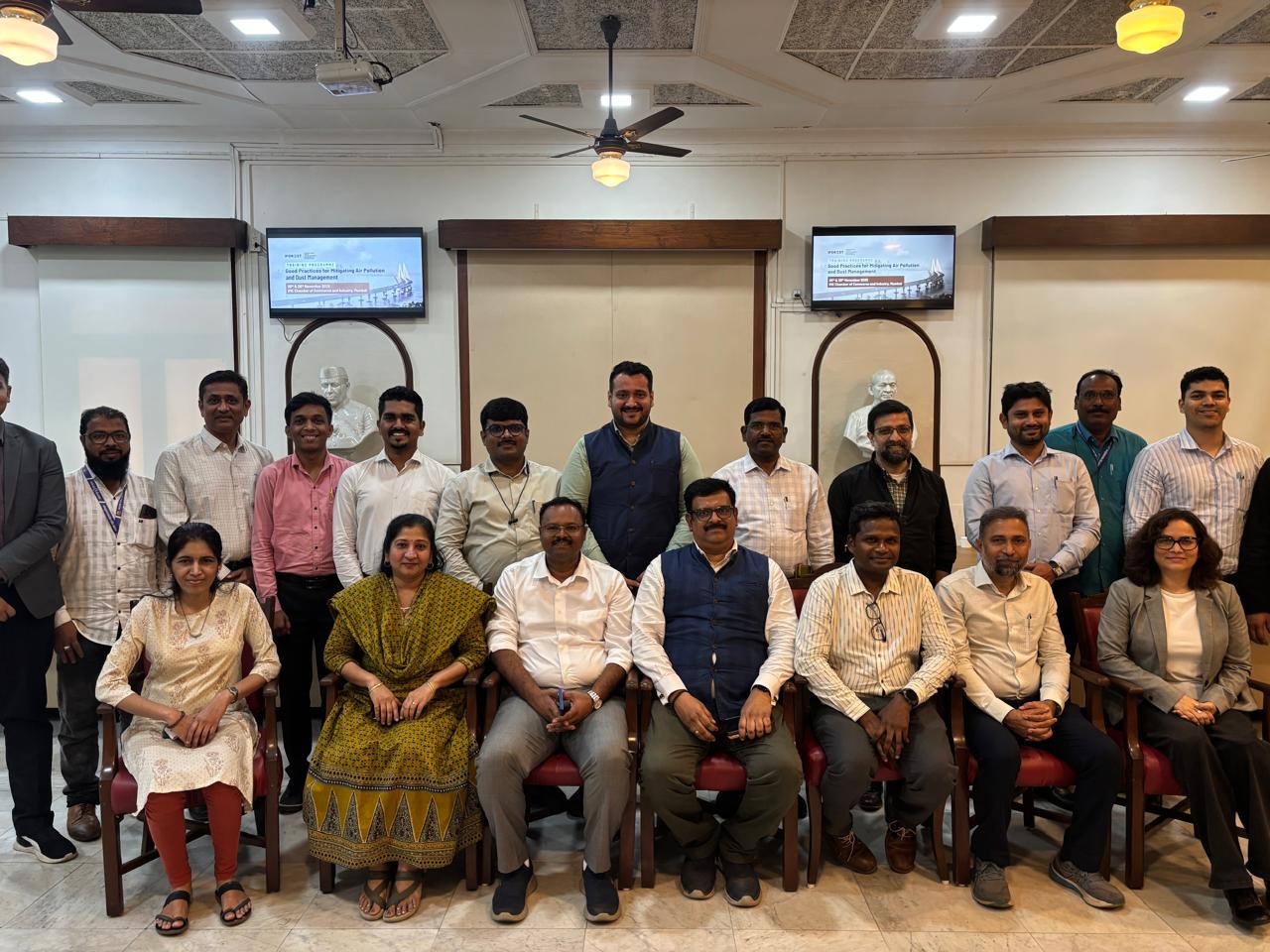
- Mumbai Capacity Building (IMC Chamber of Commerce and Industry): Conducted in collaboration with Brihanmumbai Municipal Corporation (BMC) ward engineers, project management consultants, and private developers. The workshop focused on the implementation of Mumbai’s Air Pollution Mitigation Guidelines, mandatory 20-foot perimeter barricading, anti-smog mist cannons, and automated wheel-washing bays for heavy transit vehicles.
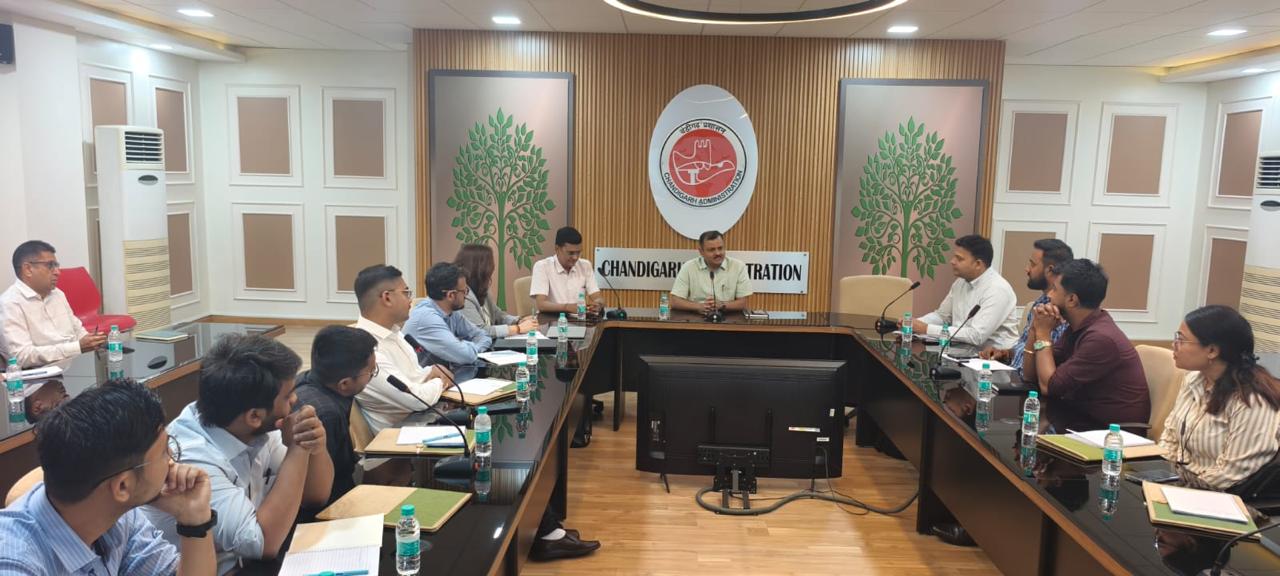
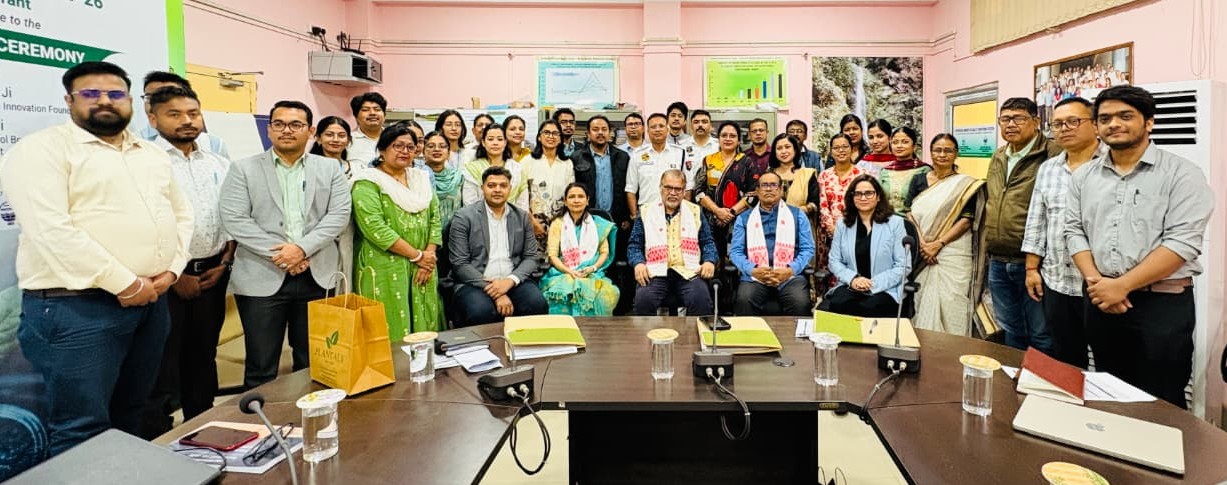
- Chandigarh Administration Strategic Dialogue: Held at the UT Secretariat and conference facilities, senior administrative officers, engineering department heads, and municipal representatives evaluated regional dust control strategies and standard operating procedures (SOPs) for public works projects.
On-Ground Technical Tours: C&D Waste Processing & Urban Greening
A core element of the training methodology was hands-on field exposure:
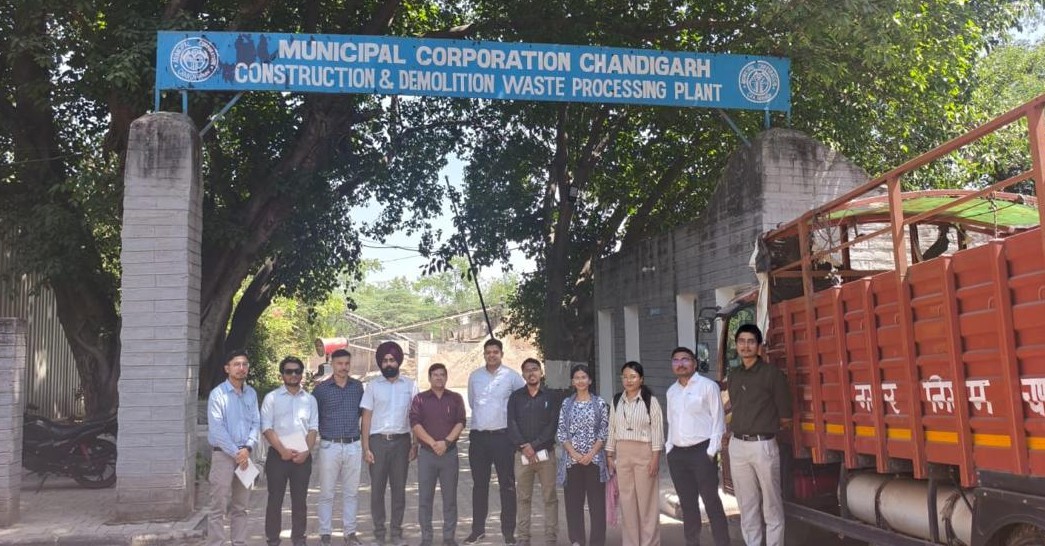
- Chandigarh Construction & Demolition (C&D) Waste Processing Plant: Trainees inspected mechanical sorting, crushing, screening, and wet dust-suppression technologies that divert thousands of metric tonnes of demolition debris daily into recycled aggregate, manufactured sand, and BIS-standard paver blocks.
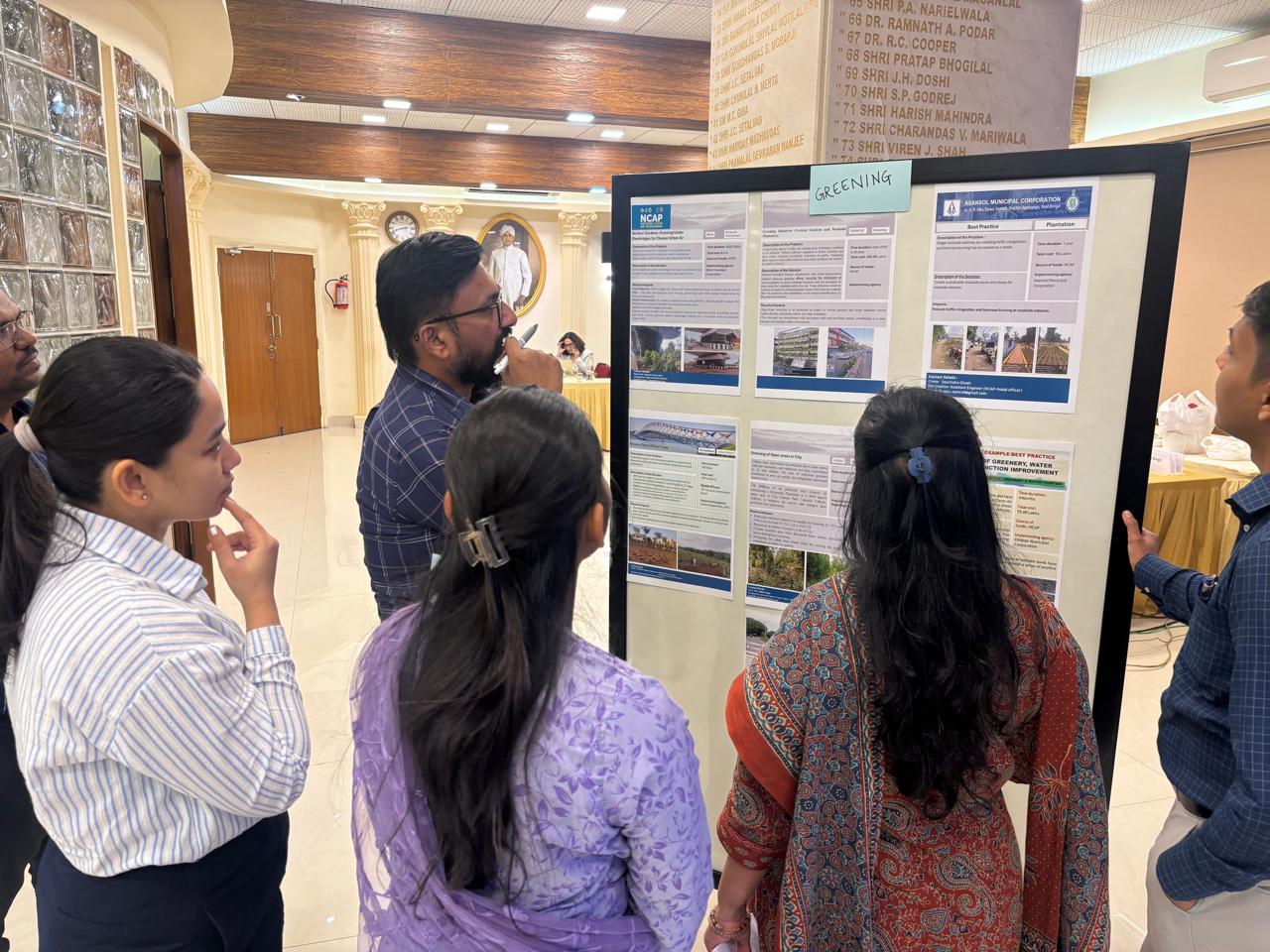
- Urban Greening & Bio-Barrier Exhibition: Participants reviewed scientific poster exhibitions detailing windbreak design, vegetative dust screens, drought-tolerant urban canopy trees, and organic dust-binding polymers for exposed soil slopes.
Training Photo Gallery & On-Site Highlights
Key Takeaways & Institutional Impact
Through classroom lectures, live case studies, and field visits, participating municipal engineers and environmental managers acquired actionable competencies:
- Formulating legally enforceable site-specific Dust Mitigation Plans (DMPs) prior to groundbreaking.
- Deploying calibrated low-cost sensor arrays and boundary PM10 monitors with automated exceedance alerts.
- Enforcing compliance audits and penalty schedules under the C&D Waste Management Rules 2016 and Environment (Protection) Act 1986.
Explore the Online Course on iFOREST Academy
Master the regulatory frameworks, physical dust controls, C&D waste protocols, and site monitoring systems through our 9-module self-paced professional certificate programme on iFOREST Academy.